


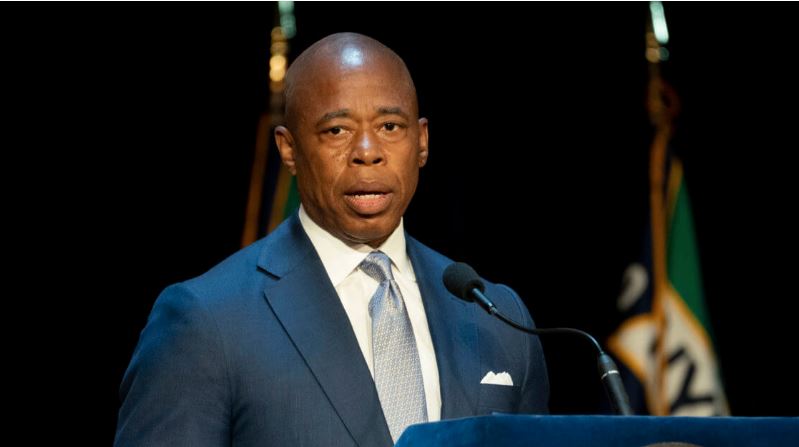

NEWYORK: New York City Mayor Eric Adams and New York City Department of City Planning (DCP) Director Dan Garodnick released the “Manhattan Plan,” a bold blueprint to tackle Manhattan’s deep housing shortage by adding 100,000 new homes to the borough over the next decade.
After an extensive public engagement process that collected more than 2,500 ideas for where and how to create new housing in Manhattan, the plan lays out key strategies for creating new housing in Manhattan, including adding more homes close to transit and in areas that restrict new housing, redeveloping city-owned sites, facilitating office-to-residential conversions, implementing regulatory improvements, and more.
Since unveiling the Manhattan Plan in his State of the City address earlier this year, the Adams administration has already advanced several initiatives to create more housing in the borough, including passing the Midtown South Mixed-Use Plan to build nearly 10,000 more homes in the heart of Manhattan, the redevelopment of city-owned sites like 100 Gold Street in Lower Manhattan, and individual applications for zoning changes like the creation of nearly 700 homes above a future Second Avenue subway station in East Harlem.
“For too long, the cost of living in Manhattan has gone up, working-class families have gone away, and our city’s housing crisis has grown more severe. Our administration promised to change that, advancing bold plans to bring thousands of new homes to the borough and make sure that Manhattan is still a place you can live and raise a family,” said Mayor Adams.
“We passed the first citywide rezoning in six decades, landed the plane on our Midtown South Mixed-Use Plan, and with today’s announcement, are putting forward our ambitious ‘Manhattan Plan’ to bring 100,000 new homes to the borough. With the innovative ideas laid out here, we will help create the homes that Manhattan needs, deliver the more affordable future that all New Yorkers deserve, and reinforce, once again, our position as the most pro-housing administration in city history.”
“Between our five neighborhood plans, City of Yes, and now a first borough-wide plan, we have cemented our legacy as the most pro-housing administration in our city’s history.” said Deputy Mayor for Housing, Economic Development, and Workforce Adolfo Carrión, Jr.
“I am very pleased to lay out this roadmap to unlock more housing in our most job- and transit-rich borough. I thank the visionary team at the Department of City Planning and Director Garodnick for their leadership in making Manhattan more accessible and affordable.”
“For generations, Manhattan was the place where people of all backgrounds could start their life’s journey and find new opportunities. This important plan lays out how it can fulfill that role once again,” said DCP Director Garodnick.
“By embracing the ambitious, transformative ideas outlined in this framework, we can ensure that many more New Yorkers can live, work, and follow their dreams in a more affordable, welcoming, and vibrant Manhattan.”
Manhattan’s unparalleled job market, transit access, and walkability helped make the borough a site of enormous opportunity through the 20th century and drove a housing boom that unlocked all the island had to offer for millions of New Yorkers. But Manhattan’s housing production has dropped sharply when compared to the previous century.
Manhattan produces less housing than every other borough except for Staten Island; income-restricted affordable housing is also in extremely short supply.
Due to the lack of housing options, almost half of Manhattanites are rent-burdened, meaning they spend more than 30 percent of their income on rent, and about a quarter are severely rent-burdened, meaning they spend more than half of their income on rent.
The Manhattan Plan looks to address this severe housing shortage through a set of strategies to help create 100,000 new homes over the next decade.
Delivering these additional homes will allow more New Yorkers of all income levels to live near transit, jobs, schools, parks, and cultural resources — reaffirming Manhattan’s historic role as a place of opportunity.
Ultimately, new housing will deliver a win-win-win: giving New Yorkers more affordable places to live, workers more opportunities to connect with nearby jobs, and small businesses more foot traffic.
The Manhattan Plan was developed through extensive public input gathered through pop-up events in every community district in the borough, online engagement, briefings, interviews, and focus groups held in English, Spanish, and Chinese.
More than 2,500 ideas on where and how to bring new housing to Manhattan were generated from this public input process, including over 900 responses to the website survey and over 1,000 contributions to an interactive map.
